What Is a Battle Pass and How Does It Work?
Battle passes are a fixture of modern gaming monetization, but the free vs. premium split and ticking countdown timers are designed with real psychological purpose. Here is what you are actually buying.
The Basic Idea
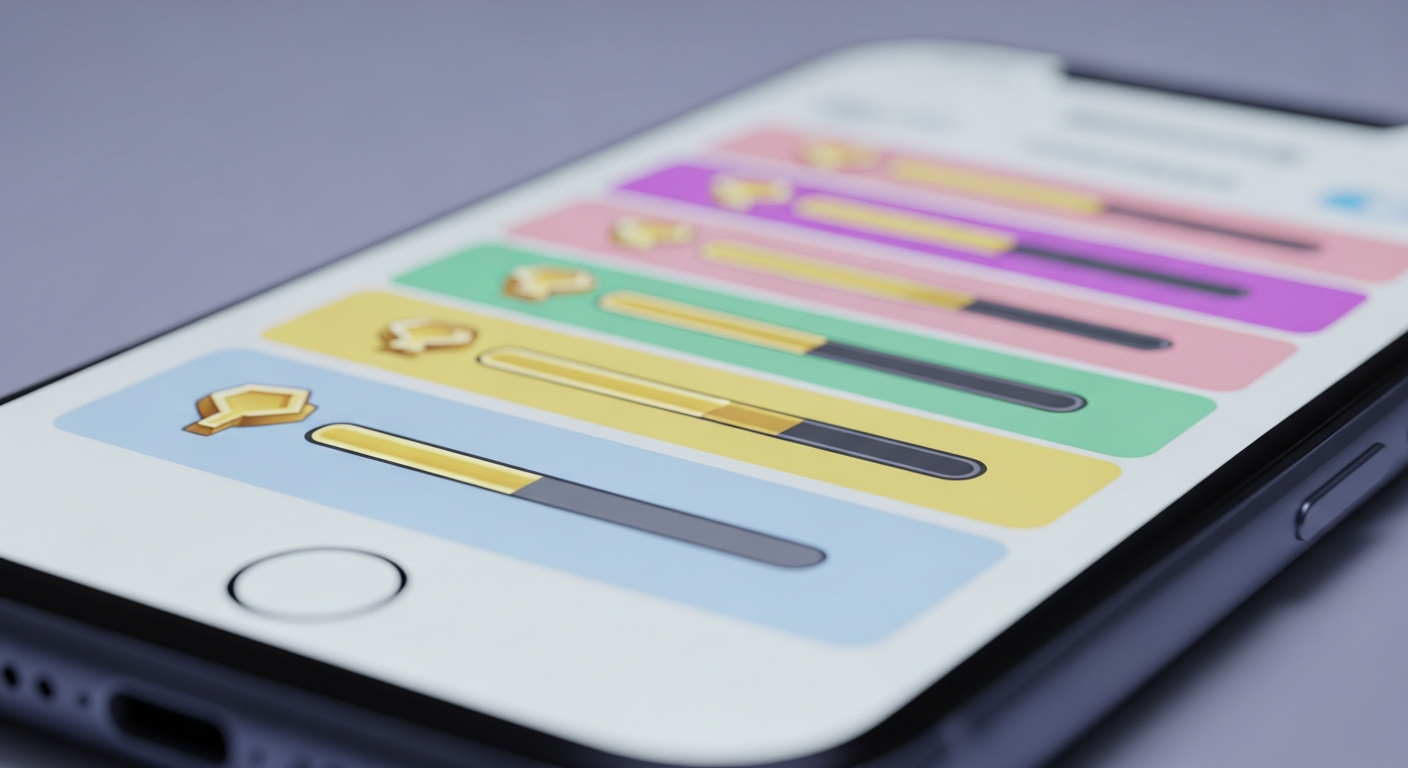
A battle pass is a seasonal reward system that gives players a structured track of unlockable items tied to in-game progression. You earn experience by playing matches, completing daily or weekly challenges, or hitting certain milestones. That experience pushes you up through numbered tiers, and each tier reveals a reward. Cosmetics, currency, experience boosts, loading screens, the occasional vehicle skin for a weapon you already own and never use.
The format became a mainstream fixture after Fortnite popularized it around 2018, though the roots go back further. Today it appears in battle royales, shooters, sports games, MOBAs, and even some single-player titles with ongoing content updates. If a game has seasons, there is a reasonable chance it has a battle pass sitting next to them.
Free Track vs. Premium Track
Almost every battle pass operates on a two-lane structure. The free track is available to every player by default. You progress through tiers and pick up the rewards designated for that lane, which are usually modest: a banner icon here, some in-game currency there, maybe one cosmetic item spread across the entire season.
The premium track is what you are actually paying for. Purchase it, typically with real money or the game’s proprietary currency, and all those locked tiers along the paid lane open up. Now as you progress, you are earning from both lanes simultaneously. The premium rewards are substantially better, more numerous, and more visually impressive. The free track exists partly as a genuine offering and partly as a preview window, showing you exactly what you are missing at every single tier.
That gap is not accidental. Designers place appealing items just out of free-track reach with real intention. Seeing a specific skin at tier 32 on the premium side while you are sitting at tier 31 on the free side is a deliberate nudge.
The FOMO Machine
Fear of missing out is baked into the battle pass format at a structural level. Every season runs on a countdown clock, typically eight to twelve weeks. When the timer hits zero, the pass expires. Any tiers you did not reach are gone. The skin you were twelve levels from unlocking disappears with them.
This expiration mechanic creates a low-grade urgency that distinguishes battle passes from older cosmetic stores. A standard storefront lets you browse and buy at your own pace. A battle pass asks you to log in regularly, chip away at challenges, and stay engaged across weeks. Miss a few days and you can feel the gap widening.
Many games lean into this further by releasing battle passes that technically pay for themselves. If the premium tier contains enough in-game currency to cover the cost of the next season’s pass, players who complete it feel financially justified in re-upping. The system rewards consistent engagement with a sense of breaking even, which keeps the cycle turning.
Tier Skips and Accelerators
Most battle pass systems also sell tier skips or experience boosts as secondary purchases. These let players who bought the premium pass but are running short on time accelerate their progression for additional money. This is where critics have the strongest ground: the base purchase unlocks the content, but finishing it can quietly cost more than the headline price suggests if a player is not logging in consistently.
How predatory this feels depends heavily on execution. A system that expects a reasonable daily play commitment and rewards it with comfortable completion is very different from one tuned so tightly that casual players almost always fall short without spending extra.
What You Should Know Before You Buy
Before purchasing a season pass, it is worth checking a few things. How many weeks remain in the season, and how many tiers does the pass have? Does the game publish or is it possible to estimate the average experience per match or challenge? Some communities maintain spreadsheets breaking down exactly how many hours of play are needed for full completion.
It is also worth being honest about your actual play habits versus your intended ones. The $10 pass that you complete feels like fair value. The $10 pass you reach tier 40 of 100 on before the season ends is a different transaction than the one you thought you were making.
What is a battle pass in gaming?
A battle pass is a seasonal monetization system in which players unlock rewards by completing in-game challenges and accumulating experience. Most games offer a free tier with basic rewards and a paid premium tier with significantly more cosmetics and bonuses.
How much does a battle pass cost?
Most battle passes are priced between $8 and $15 USD per season, though prices vary by game. Many titles use proprietary in-game currency, so the real dollar cost can be slightly obscured at checkout.
What is the difference between a free and premium battle pass?
The free track gives all players access to a limited selection of rewards at certain tiers. The premium track, unlocked with a purchase, fills in the gaps with additional cosmetics, currency, and bonuses distributed across all tiers.
Can you finish a battle pass after the season ends?
Generally no. Battle passes expire at the end of their season, and any unearned rewards are lost. Some games have experimented with extended completion windows, but expiring seasons are still the industry standard.