
What Is Gacha? The Mobile Gaming Mechanic Explained
Gacha is one of mobile gaming's most debated systems. Here is what it actually is, how pity systems work, and why so many players have complicated feelings about it.
Where the Name Comes From
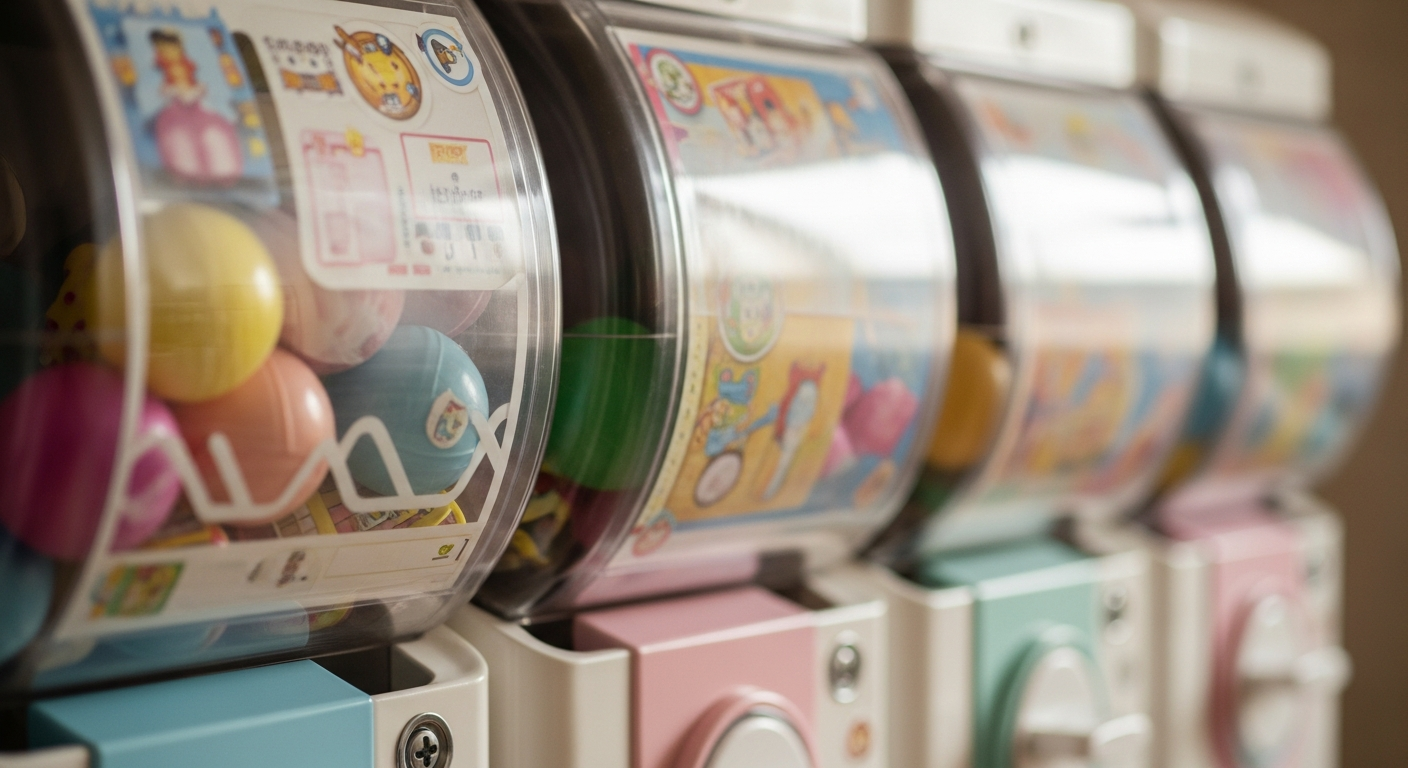
The word gacha comes from gachapon, those coin-operated vending machines in Japan that spit out a plastic capsule with a small toy inside. You put in your money, you turn the crank, and you get whatever the machine decides to give you. The toy might be the character you wanted, or it might be the fifth duplicate of one you already own. That uncertainty is the whole point.
Video game developers, particularly in Japan, recognized that structure as a compelling blueprint for in-game rewards. By the early 2010s the mechanic had spread across mobile gaming globally, and today it sits at the financial center of some of the highest-grossing games in the world.
How a Gacha Pull Actually Works
At its core, a gacha system works like this: a game offers a pool of potential rewards, usually characters, weapons, or cosmetics, each assigned a rarity tier. Players spend a currency, often one purchasable with real money, to perform a pull or a wish or a summon, whatever the game calls it. The result is drawn according to those set probabilities.
Top-tier rewards are intentionally rare. It is common to see a featured five-star character sitting at a one-in-a-hundred chance or lower. That low number is not a bug. It is the engine.
Because individual pulls are cheap relative to a player’s budget but the desired item can require many pulls, the total cost of reliably obtaining something can climb into the hundreds of dollars. The randomness means there is no guaranteed outcome for any given dollar spent, only a probability distribution.
Pity Systems and Why They Matter
Most modern gacha games have responded to player frustration, and public scrutiny, by implementing pity systems. The basic idea is to place a ceiling on how unlucky any one player can be.
A soft pity typically kicks in partway through a pull count. If a game’s hard pity sits at ninety pulls, soft pity might begin around seventy-five, with each additional pull increasing the odds of hitting the top rarity. This gives players a sense of mounting momentum as they approach the cap.
Hard pity is the absolute guarantee. Reach the maximum pull count without the featured item and the game awards it outright. Some games carry over part of that progress, called a pity carry or guaranteed, across limited banners so players do not lose accumulated pulls when a new character arrives.
Pity systems genuinely reduce the worst-case outcomes. A player with hard pity at ninety pulls and a rate of one-in-a-hundred still needs to budget for up to ninety pulls to guarantee a character. At common premium currency prices, that can represent seventy to over a hundred dollars, depending on how a game packages its currency. Getting multiple copies for character upgrades, a mechanic some games call constellations or refinements, multiplies that cost further.
Why Gacha Is Controversial
The controversy runs along a few distinct lines.
The first is the structural resemblance to gambling. Spending real money for randomized rewards, with no guarantee of any specific item, is the fundamental definition of a wager. Games avoid legal classification in most regions by ensuring pulls always yield something of nominal value, but critics argue that framing is a technicality rather than a meaningful distinction. Several countries have pushed for or enacted restrictions, and the broader conversation about loot box regulation frequently pulls gacha into the discussion.
The second concern is about psychological design. Variable-ratio reinforcement, the same mechanism that makes slot machines compelling, is unusually effective at sustaining engagement and spending. Gacha systems are engineered around it. The community term whale refers to players who spend disproportionately large amounts, and research into free-to-play spending consistently finds that a small percentage of players account for the majority of revenue. Critics argue these systems are calibrated to exploit compulsive behavior.
A third, more practical frustration is about content access. When a game ties its most powerful characters or abilities to randomized paid pulls, players who cannot or choose not to spend are often at a meaningful disadvantage, particularly in competitive modes. The promise of a free-to-play experience can quietly become a ceiling.
Plenty of players engage with gacha games happily, setting personal budgets and treating the pull system as an optional layer rather than a requirement. The mechanics are not inherently predatory in every context. But understanding how the probability math actually works, and how pity systems both help and still leave significant costs in place, is the starting point for making an informed choice about how you want to spend your time and money.
What does gacha mean in gaming?
Gacha refers to a monetization mechanic, common in free-to-play mobile games, where players spend currency (real or virtual) for randomized rewards. The name comes from Japanese gachapon vending machines that dispense capsule toys.
Is gacha gambling?
Whether gacha legally qualifies as gambling varies by country and jurisdiction. It shares structural similarities with gambling, including randomized outcomes purchased with real money, but most jurisdictions have not classified it as such. Belgium and the Netherlands have taken stricter stances, ruling certain implementations illegal.
What is a pity system in gacha games?
A pity system guarantees a high-rarity reward after a player makes a set number of pulls without receiving one. It sets a hard ceiling on bad luck, though reaching that ceiling can still cost significant real money.
What is a soft pity vs hard pity?
Soft pity is a point in the pull count where the odds of getting a rare reward begin increasing with each pull. Hard pity is the absolute cap where the top-rarity item is guaranteed, no matter what.